

Social ads are still perceived by some as awareness or view-boosting tools rather than core growth drivers.
That perception is increasingly outdated.
In 2026, social advertising is one of the most strategic levers for brands operating in Japan—not because platforms have changed radically, but because execution standards have risen.
1. Social Ads Are Not “Awareness-Only” Anymore
In Japan, many brands still separate channels rigidly:
- Search (e.g.) for performance
- Social for visibility
In reality, social platforms already drive:
- First discovery
- Consideration
- Conversion
- Retargeting
Brands can—and do—build and scale businesses with social ads as a core acquisition channel. The limitation is rarely the platform; it’s how narrowly social is used.
By 2026, brands that still restrict social ads to awareness will struggle to scale efficiently.
2. The Funnel Isn’t Dead — It’s Misunderstood
The funnel hasn’t disappeared.
What has changed is how it should be applied.
The mistake is thinking in terms of one platform = one funnel stage.
In practice:
- Funnels are built by product, not by platform
- The same platform can support upper, mid, and lower funnel objectives, depending on the industry, your target audience and your brand’s strategy and positioning
Examples:
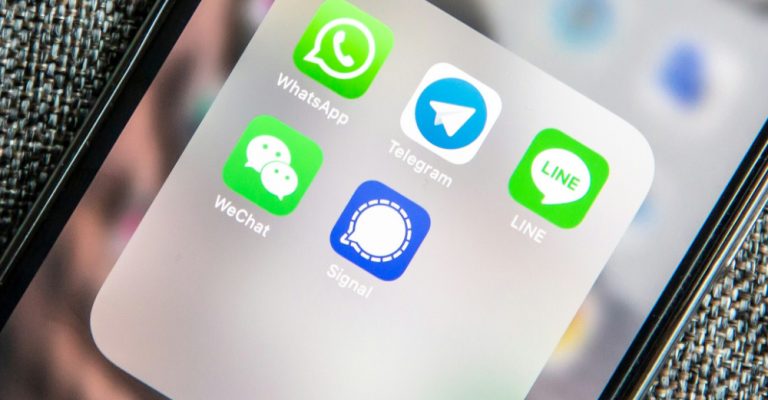
- LINE Ads often perform well lower in the funnel, but can also be used for reach & traffic purposes
- X is stronger for awareness and real-time visibility, but still has performance use cases for some tech brands.
- With CPM often lower than in the US and Europe, Meta and Google both support full-funnel execution when products are used correctly
The strategic edge comes from understanding which products to activate, when, not from platform labels.
3. Over-Investing in Lower Funnel Leads to Plateaus
A common issue we see in Japan is over-allocation to conversion and retargeting campaigns.
Short-term results may look strong—but over time:
- Audiences saturate
- Costs rise
- Incremental growth slows
By 2026, brands that scale sustainably will rebalance:
- Lower funnel for efficiency
- Upper and mid funnel to renew demand
Formats like Google Demand Gen, Meta video campaigns, and classic awareness plays are essential to avoid growth ceilings.
4. Seasonality Is More Than Just the Calendar
Japan has strong market-wide seasonality—but brand-level seasonality matters just as much.
Key factors include:
- Discount behavior vs. full-price positioning
- Gifting relevance
- Retail vs. e-commerce dependency
Understanding when your brand is most receptive—not just when the market is active—will increasingly determine media efficiency.
5. Creative Testing Is a Structural Requirement
By 2026, creative strategy is no longer a “nice to have.”
Winning creatives are rarely found quickly:
- Dozens, sometimes hundreds, of variations are needed
- Performance changes with seasonality, context, and audience maturity
Brands that lack a creative testing system will be outpaced—regardless of media budgets or targeting sophistication.
6. Attribution Must Go Beyond Platform ROAS
We’ve been saying it for over a decade now, but Platform ROAS alone is not sufficient.
In Japan especially, social ads are often undervalued because:
- Search captures demand that social helped create
- Incrementality is rarely measured
In 2026, the strongest advertisers will stop judging social ads by platform ROAS alone and instead track how paid social contributes to overall business growth.
In practice, this means monitoring:
- Growth in new users and first-time buyers
- Changes in branded search volume and direct traffic after social investment
- Stability of CPA and total conversions when budgets scale
- Performance differences when social spend is increased, reduced, or paused
Social ads don’t just convert demand—they generate it.
Social advertising in Japan is entering a more mature phase.
At Next Level Japan, we help brands design social advertising strategies adapted to Japan’s realities—grounded in data, execution, and long-term efficiency.